

.webp)
Sitting in a board room with a young entrepreneur late one evening, discussing what to do next when company funds run out in a few months, I had a self-reflection moment as a mentor. I realized that mentorship was more than meeting your mentee regularly or being on their board of advisers. Mentorship was working alongside entrepreneurs as they went through their challenges, a value often demonstrated by the best startup mentor for entrepreneurs in India.
Entrepreneurship is many a times a lonely path, one fraught with failures more than success and as mentors’ one needs to work to not shape an entrepreneur’s thinking, but to guide it, sometimes just by introspecting with them; not in a way that questions them, but in a way that prepares them. Good mentoring helps founders test their assumptions, see blind spots, prepare them for the challenges they cannot see yet and most importantly guide them to think under pressure.
And that’s why I always advice anyone venturing out on their own to invest in and develop their personal board of advisers early on. People who can guide them in all the areas of business and life. Being an entrepreneur is more than starting a business, it is dealing with pivoting your business model mid-way, frequent fund raising, team building when you don’t have the money to pay for high quality talent and through all these ups and downs, somehow keep in check stress and fears, to continue to make decisions.
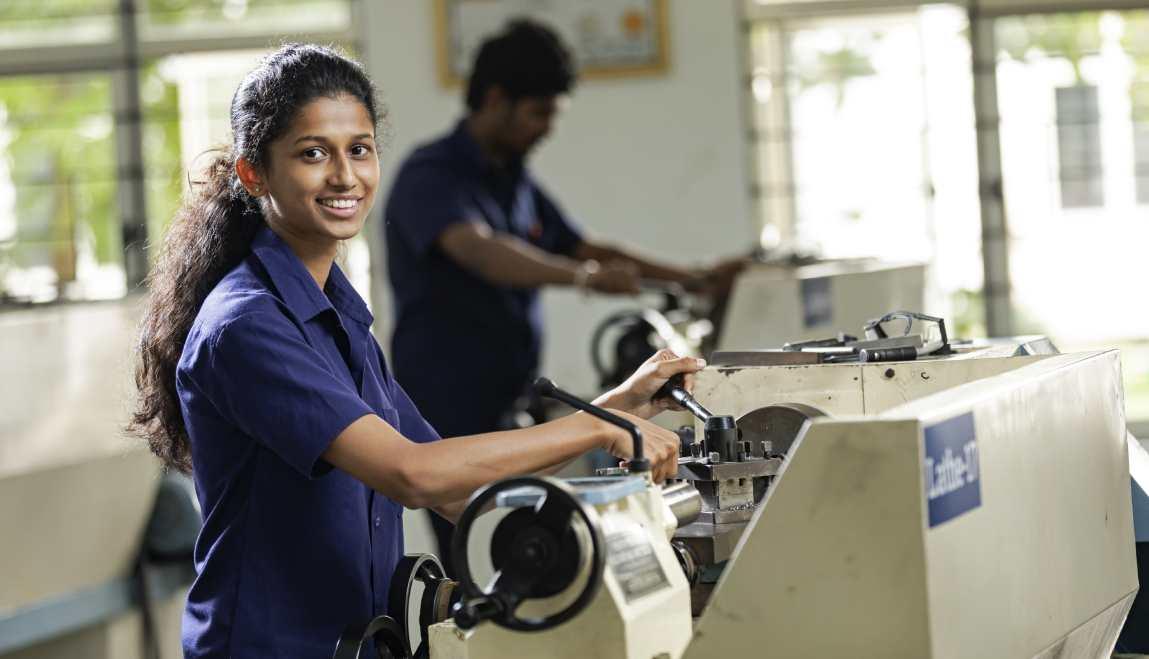
For me, this is also where education becomes a powerful enabler of empowerment, particularly for women. Equipping women with the right knowledge, confidence and access to guidance can help them make better decisions, navigate challenges and build the courage to pursue opportunities that may otherwise seem out of reach. Empowering women through education is not just about creating better entrepreneurs, but about creating stronger decision-makers, leaders and role models for the future.
Having seen thousands of business plans and mentored several founders, I’ve learnt that each situation is different. And sometimes being a good mentor also means knowing when to re-direct the entrepreneur to someone better than you. Knowing when to step in and step back, makes mentoring an art as much as it is a science.
So, what happened to the young entrepreneur with cash flow concerns? We talked through the business model, explored ways to optimize costs and finally pivoted the business to an exit in the next 3 years. And did she do it all with me?
Not at all. She worked with other advisers, alongside her team through different strategies over the course of several months, while I remained available to her, guiding and working alongside her, driven by the purpose to support her through this challenging time in her journey. And while the goal of a successful financial exit was not achieved the first-time round, she was able to get the investors a successful merger and move on to her next venture, now armed with greater insight and knowledge as a second time round founder.
So, just as an entrepreneur needs to know his or her why it is equally important for mentors to know their why. Because in the dynamic world of entrepreneurship today purpose driven mentorship matters more than ever....
.jpg (1).webp)

Post a comment